Table design intersects aesthetics and practicality, balancing form and function to support everyday dining and workspace needs. In organic contexts, tables often emphasize natural materials, sustainable finishes, and thoughtful construction that reduce chemical exposure while enhancing durability for prolonged use. Understanding these features helps users select surfaces suitable for both family life and professional settings.
Organic tables may utilize finishes that minimize volatile organic compounds, contributing to healthier indoor air quality. Look for wood species with low-emission coatings, stable joinery, and finishes that resist heat and moisture. These characteristics support long-term usability, reduce maintenance, and align with eco-conscious design principles in homes and workplaces.
In this category, the focus is on practical table attributes such as size, height, surface texture, and resistance to staining. Consider how grain patterns, porosity, and sealants influence cleaning routines and lifespan. A well-chosen table integrates seamlessly with textiles like napkins and placemats, supporting a cohesive, sustainable dining environment.
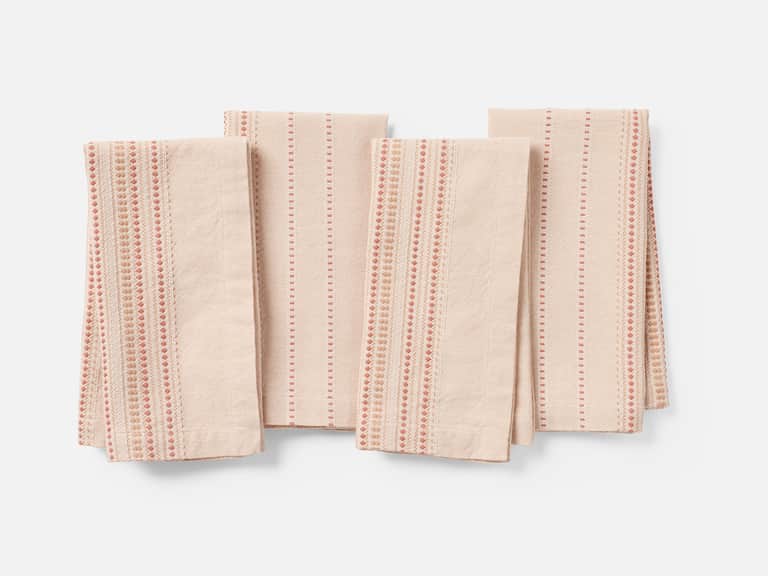
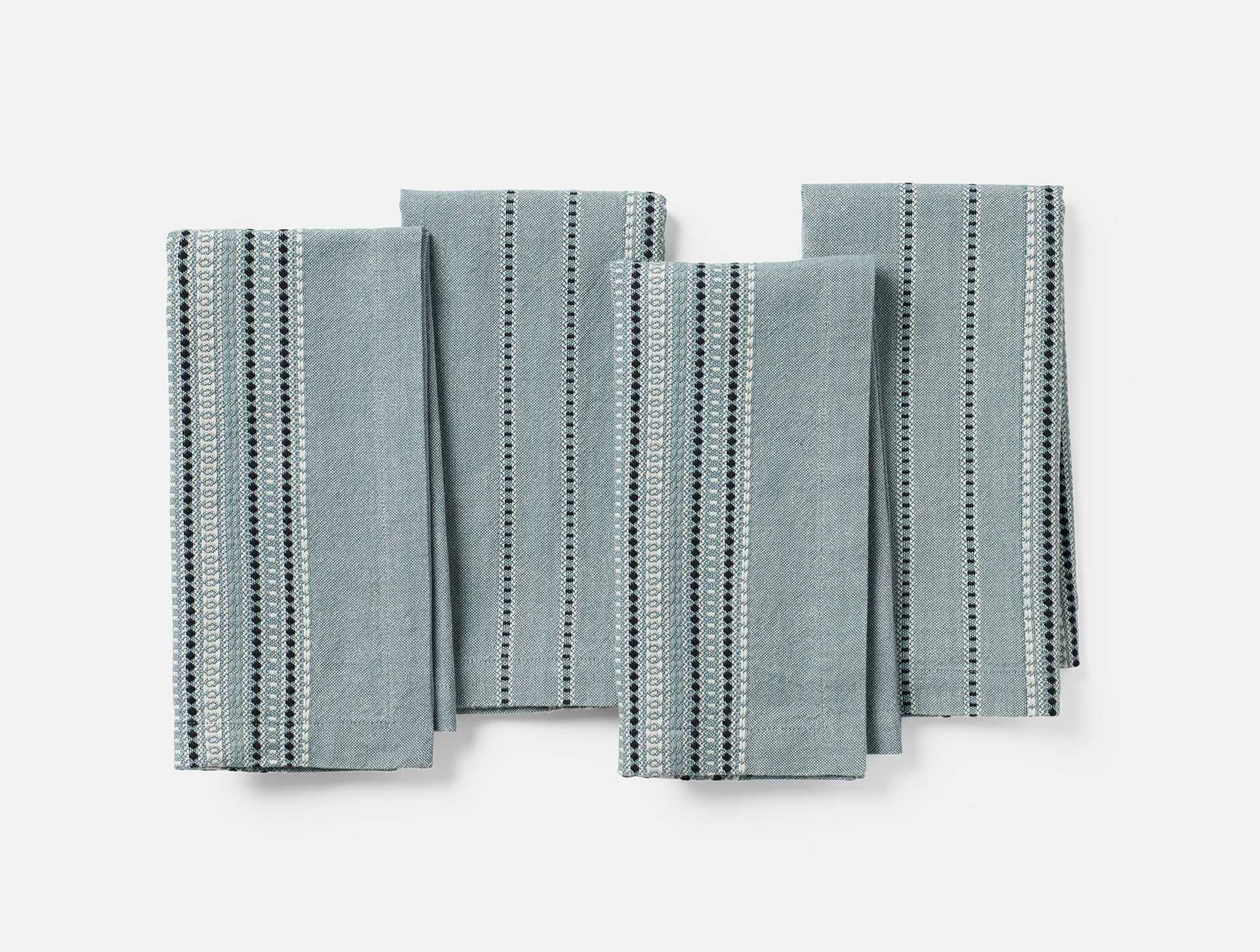
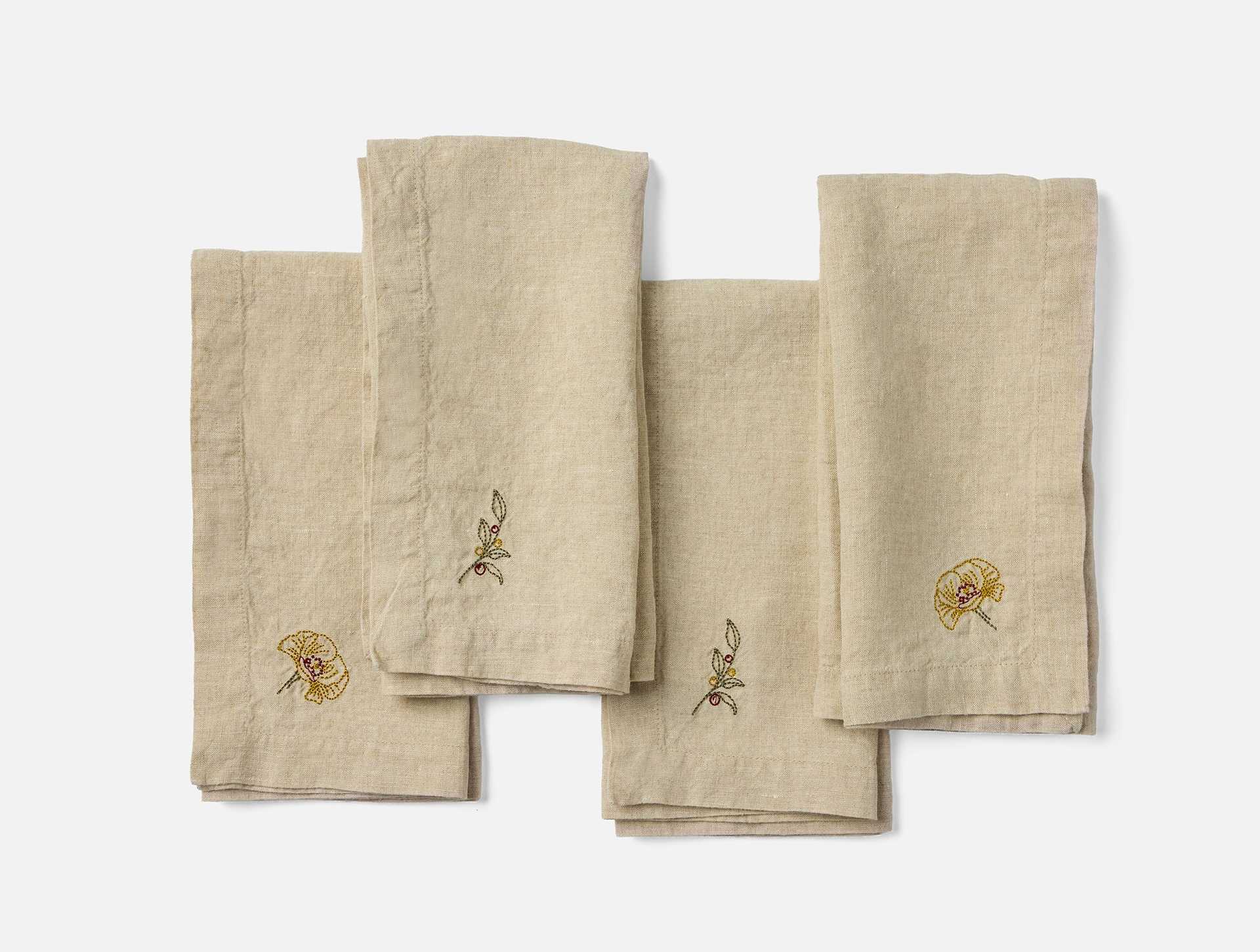
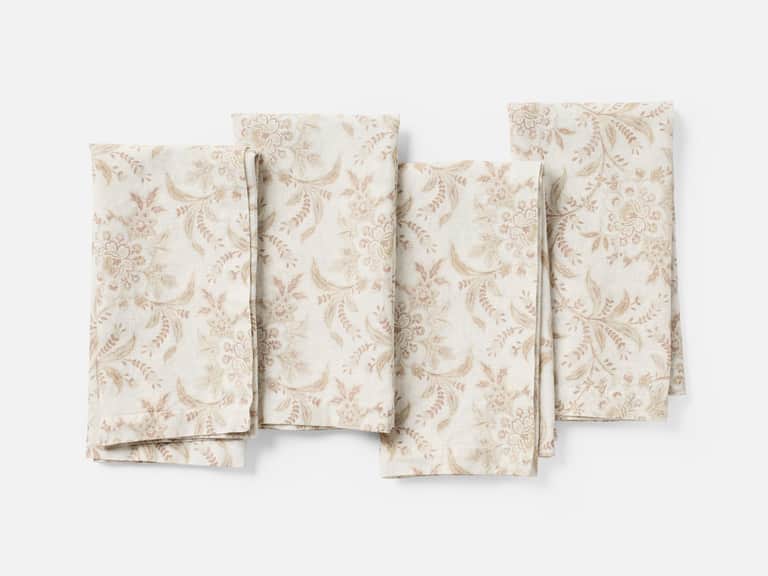
Product examples include Marguerite Organic Print Napkins, Set of 4, which pair with natural table surfaces to highlight subtle patterns while offering everyday practicality. Lobos Organic Napkins, Set of 4, emphasize durability and soft texture, suitable for regular use. The second Lobos set reinforces color coordination and functional versatility across meals and gatherings.
Key features across this table category include material provenance, care guidelines, and ergonomic considerations for seating arrangements. Understanding how napkins complement table surfaces—along with the role of wool comforters and pillows in related spaces—helps cultivate a coherent, comfortable dining area rooted in organic, responsible design.
 Table
Table