The nursery guide
How to Choose a Crib Mattress: Firmness, Fit, and Materials
A crib mattress may not be the most eye-catching item on a nursery checklist, but it deserves a close look. The right choice starts with a firm, flat sleep surface and a secure fit in the crib. From there, families can compare materials, waterproofing, certifications, and care—without letting a long list of labels distract from the essentials.
Preparing for a baby comes with plenty of decisions, from paint colors to tiny pajamas. A crib mattress is a different kind of purchase: it is a functional piece of equipment, and its fit and condition matter every day. Fortunately, choosing one does not require decoding every marketing phrase on the package. Focus first on the crib manufacturer’s instructions, applicable safe-sleep guidance, a firm surface, and a mattress designed to fit the specific crib.
Once those basics are clear, material preferences can help narrow the field. Some mattresses use foam; others rely on innersprings or alternative support systems. Covers and waterproof layers vary, too. Organic materials and third-party certifications may be meaningful to a family, but they are only part of the comparison. A mattress still needs to fit correctly, meet applicable requirements, and be used according to its instructions.
Here is a practical guide to weighing the details—and to keeping the decision grounded in what matters most.
Start with the crib, not the color palette
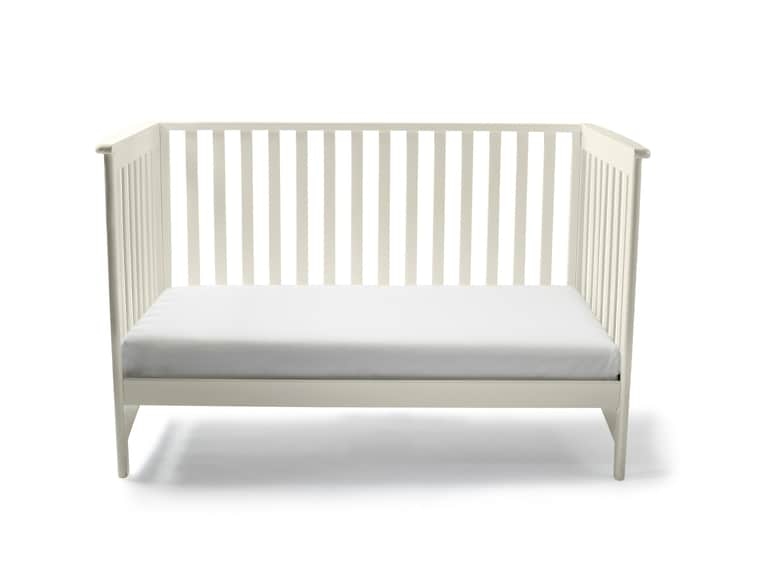
The mattress and crib work as a system. Before shopping, identify the crib’s size and model, then check its manual for the mattress dimensions and other requirements. Do not assume that every mattress described as “standard size” will fit every crib. Even small differences in shape, dimensions, or construction can affect how securely the mattress sits.
When a mattress is in place, check that it lies flat and fits snugly against the crib sides. The goal is to avoid gaps where a baby could become trapped. If there is visible space around the edges, the mattress shifts, or it does not sit level, stop and check the crib and mattress instructions rather than trying to solve the problem with extra padding. A sheet, topper, folded blanket, or improvised insert is not a substitute for a correctly sized mattress.
Measure only in the way the manufacturers recommend, and compare the mattress’s stated dimensions with the crib’s specifications. Crib design can vary, so a number on a label should not be treated as proof of compatibility on its own. When in doubt, contact the crib or mattress manufacturer before use.
- Confirm the crib’s model and mattress requirements in the crib manual.
- Check the mattress dimensions and whether its shape is intended for that crib.
- After installation, make sure the mattress lies flat and does not leave concerning gaps.
- Use only the mattress and accessories the crib manufacturer says are compatible.
Firmness is a practical priority
For an infant sleep surface, firmness is not simply a comfort preference. Follow current safe-sleep guidance and the mattress maker’s instructions: the sleep surface should be firm and flat, with a fitted sheet designed for the mattress. A soft or plush surface can seem inviting to an adult, but a crib mattress is not meant to feel like a pillow-top bed.
It can be hard to judge firmness from a product description or a quick press in a showroom. Read the manufacturer’s stated use and specifications, and check that the mattress is intended for infant sleep. Avoid relying on words such as “luxury,” “cushioned,” or “cloud-soft” as evidence that a product is suitable for a crib. Marketing language does not replace product instructions or safe-sleep recommendations.
Some mattresses are designed with two stages: a firmer infant side and a different surface intended for use as a child grows. That feature can be convenient, but it does not mean the mattress should be flipped on a timetable of your own choosing. Follow the manufacturer’s directions about which side to use and when, and confirm that the mattress is appropriate for the child’s age and the crib setup.
Keep the sleep space simple. A firm mattress with a snug fitted sheet is the foundation; pillows, quilts, loose blankets, positioners, and other soft items do not belong in an infant’s crib unless a qualified professional has specifically advised otherwise. Always consult current safe-sleep guidance for your child and follow the crib and mattress manuals.
Understand what “organic” can—and cannot—tell you
For families comparing organic crib mattresses, the word “organic” can be a useful starting point, but it is not a complete specification. Ask which materials are organic, what parts of the mattress the claim covers, and whether a named third party verifies it. A label may refer to a particular fiber or component rather than every part of the finished product.
Certifications can help make claims more legible, but they are not interchangeable. For example, a textile certification may address the processing of certain fibers and products, while a certification for another material may cover a different supply chain or standard. Look up the certification’s scope, check whether it applies to the finished item or only selected components, and confirm that the certificate is current when that information is available.
It is equally important to separate verified details from broad phrases such as “natural,” “clean,” or “chemical-free.” Those words do not, by themselves, tell you what is inside a mattress or how it was made. A transparent materials list, clear care instructions, and accessible compliance information are more useful than a promise that cannot be checked.
Organic is a purchasing preference, not a substitute for checking fit and firmness. If a mattress meets a family’s material priorities but does not match the crib or is not intended for the child’s use, it is not the right choice for that setup.
Compare the core, cover, and waterproof layer
A crib mattress has several parts, and each can shape how it feels and how it is cared for. The core provides the underlying support. It may be made with foam, innersprings, or another construction. The cover creates the outer sleep surface, while a waterproof layer may help protect the mattress from spills or diaper leaks. Read the full construction description rather than judging the mattress by its cover alone.
The core
Construction can affect weight, handling, and the way a mattress responds when pressed. A lighter mattress may be easier to lift during sheet changes, while a heavier one may be more cumbersome to move. Consider the materials and structure the manufacturer discloses, and make sure the product is intended for the crib and stage of use you have in mind. Do not assume that foam, springs, or any one category automatically guarantees a better fit or safer sleep.
The cover and surface
Look for a surface that is designed to be cleaned according to the maker’s directions. Some covers are seamless or have fewer seams; others may have a different construction. A smooth, easy-to-wipe surface can be appealing for everyday messes, but care instructions still matter. Find out whether the mattress itself can be wiped down, whether the cover is removable, and which cleaners, if any, are permitted.
Waterproofing
Waterproof layers vary in material and construction. Ask what the barrier is made from, whether it is integrated into the mattress, and how it should be cleaned. Do not add a protector, pad, or topper unless the crib and mattress manufacturers say it is compatible. An accessory that changes the fit or firmness of the sleep surface can create a problem even if it is marketed as a useful nursery extra.
Certifications and compliance: read the fine print
Certifications can help families evaluate specific claims, but the logo alone is not the whole story. Check the certifying organization’s public description of its standards and verify which materials or manufacturing steps are covered. If a seller makes a specific claim about emissions, ingredients, or textile sourcing, look for documentation that explains exactly what was tested or certified.
Also review the mattress’s safety and regulatory information for your location. Requirements can vary by country and may change over time. A product description should not be the only source for important compliance questions. Consult the manufacturer’s documentation and relevant official guidance, and ask the seller or manufacturer to clarify anything that is unclear.
A useful comparison chart might include the product’s dimensions, intended crib size, core material, cover composition, waterproofing, applicable certifications, cleaning method, warranty, and manufacturer contact information. Keeping those details together helps turn an overwhelming scroll through product pages into a manageable comparison.
Be cautious about absolute claims. Terms such as “non-toxic” or “chemical-free” can sound reassuring, but they are not precise descriptions of a mattress’s construction. Look for specific, verifiable information instead, and remember that a certification does not make a mattress universally suitable for every crib or child.
Care matters after the unboxing
A mattress is not a set-it-and-forget-it purchase. Follow the care label from the beginning, including directions for cleaning, drying, rotation, and storage. Using an unapproved cleaner or soaking a component could damage the materials. If a spill reaches inside the mattress, check the manufacturer’s guidance about whether it can be safely cleaned and dried or should be replaced.
Pay attention to moisture. A surface that looks dry may not tell the whole story if liquid has reached the interior. A mattress that remains damp, develops an odor, or shows signs of damage deserves prompt attention. Do not cover a wet mattress with bedding and return it to use without following the maker’s instructions.
Before a mattress is reused, inspect it for sagging, cracks, tears, loose parts, or other damage. If it has been stored, transported, or used previously, check that its condition and history are known and that it still meets the requirements for the current crib. A bargain is not a bargain if a mattress is worn, damaged, or incompatible.
When buying new, save the receipt, product label, and manual. Those details make it easier to confirm the model, check warranty terms, and find recall or safety information if needed. If you have questions about a defect or fit, having the exact model information on hand can make a conversation with the manufacturer more straightforward.
A closer look at an organic cotton option
One example to consider is the Naturepedic Lightweight Organic Cotton Crib Mattress. Its product information describes an organic cotton construction, a waterproof surface, and a lightweight design. The listed specifications say it is intended for standard-size cribs and give approximate dimensions of 27¼ by 51⅝ by 6 inches. The description also refers to a lightweight option and a two-stage version; confirm the exact model and its specifications before ordering.
Those details make it a relevant option for families comparing organic crib mattresses, but they do not remove the need to check the actual crib manual. Verify that the exact mattress model fits your crib, review its current care and safety instructions, and confirm what each material or certification claim covers. The manufacturer’s product page and documentation should be the final reference for model-specific details.
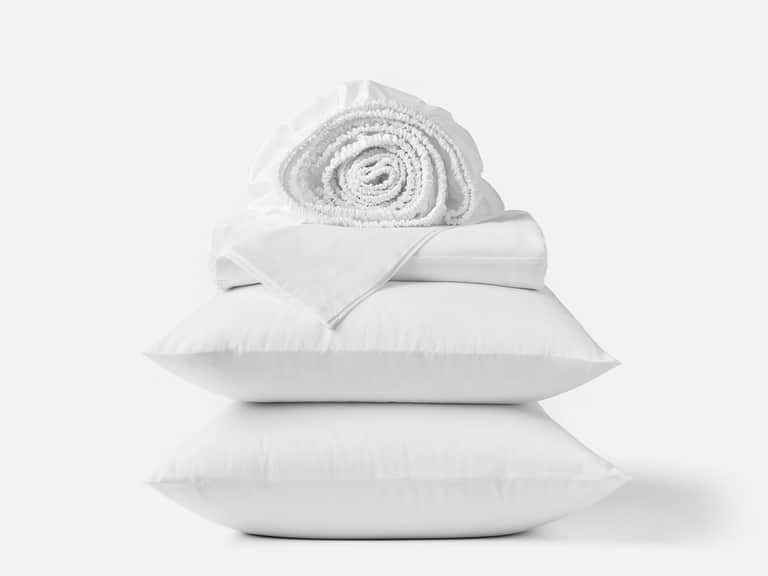
It is also worth distinguishing the mattress from the bedding around it. A fitted crib sheet should be sized for the mattress and fit securely. For instance, an organic cotton crib sheet may suit a family’s fabric preferences, but a material claim does not confirm that the sheet fits every mattress. Check the sheet’s dimensions, pocket depth, and compatibility separately.
Questions to ask before you buy
A few direct questions can clarify whether a mattress belongs on your shortlist:
- What exact crib size and models is this mattress designed to fit?
- What are the mattress’s dimensions, and how should I confirm a snug fit?
- Is the mattress intended for infant use, and what does the manufacturer say about firmness?
- Does it have one sleep surface or two, and when should each side be used?
- What materials make up the core, cover, and waterproof barrier?
- Which certifications apply, and what part of the product do they cover?
- How should the mattress be cleaned, dried, and stored?
- What signs of wear or damage mean it should no longer be used?
- Where can I find current safety information, warranty details, and the product’s model number?
If an answer is missing from a listing, contact the manufacturer rather than relying on assumptions. Good product information should make the basics—dimensions, intended use, materials, and care—easy to find.
Common shopping missteps to avoid
Choosing by softness alone. A plush feel may be appealing in adult bedding, but an infant crib mattress should be selected according to safe-sleep guidance and manufacturer instructions, not a showroom comfort test.
Assuming every standard-size mattress fits every crib. Confirm the exact crib and mattress specifications, then check the installed fit. A familiar label does not take the place of compatibility checks.
Treating an organic label as a safety shortcut. Organic sourcing may be important to you, but it does not tell you whether a mattress is firm, fits your crib, or is intended for your child’s use. Evaluate those issues separately.
Adding unapproved accessories. A topper, cushion, or extra pad can change the sleep surface or interfere with fit. Use only compatible accessories approved in the product instructions.
Ignoring care and condition. A mattress that cannot be cleaned as you expected—or that has been damaged by moisture—may not be a practical choice. Read the care label before purchase, not after the first spill.
A calm, clear final checklist
When the options begin to blur together, come back to the essentials. Choose a mattress intended for the crib and the child’s stage of use. Confirm that it meets the crib’s specifications and fits securely, with no concerning gaps. Follow current safe-sleep guidance for a firm, flat sleep surface, and use a fitted sheet made for the mattress.
Then compare the details that matter to your household: materials, waterproofing, certifications, weight, care, warranty, and transparency. A lighter mattress may make sheet changes easier; a wipeable surface may simplify cleanup; a certified organic material may align with your preferences. These are useful distinctions, but none should override fit, firmness, or the manufacturer’s instructions.
There is no need for a crib mattress to promise perfection. The best choice is the one that fits the crib correctly, is used as directed, and gives your family clear information about how it is made and maintained. A little careful checking now can make one of the nursery’s least glamorous purchases feel much more manageable.